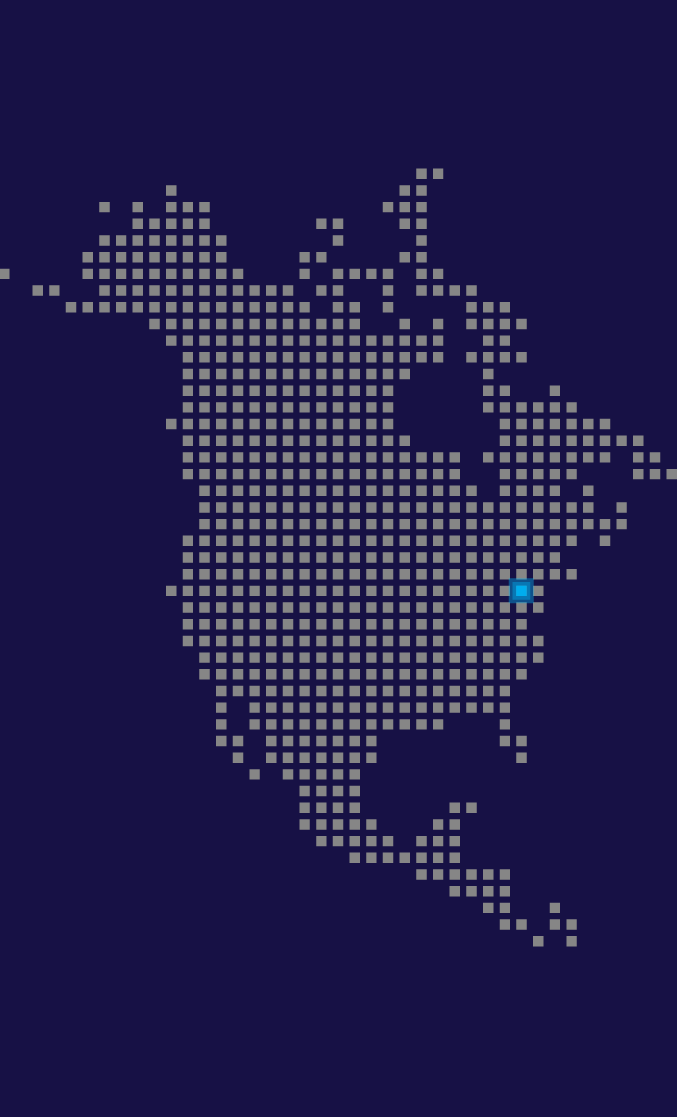
Maryland
Maryland, Right Now

NIH, NSA, and the federal health and intelligence AI complex on Washington's doorstep
NIH
World's largest biomedical research funder, headquartered in Bethesda
NSA
National Security Agency AI programs concentrated at Fort Meade
$48B
Annual federal spending in Maryland driving AI research and procurement
United States
Bronson.AI Knows Maryland
Maryland's AI landscape is defined by its concentration of federal health research and defence intelligence institutions. The National Institutes of Health in Bethesda is the world's largest biomedical research funder, and its AI programs generate training data, evaluation standards and research outputs that the entire global clinical AI field relies upon. Johns Hopkins University and its affiliated hospitals combine with NIH to create one of the most significant health AI environments anywhere on Earth. With 6.2 million residents and a GDP approaching $500 billion, Maryland's economy is driven by the federal government in ways that shape what AI looks like and what it needs to do. The intelligence and cybersecurity cluster at Fort Meade represents the other defining Maryland AI identity. NSA, Cyber Command and the contractors who support them have built AI capabilities in signals intelligence, threat hunting and network defence that are classified in detail but are known to be technically sophisticated. Companies like Tenable and DataTribe portfolio firms have begun commercializing capabilities developed in the federal context, creating a pathway from classified AI capability to commercial cybersecurity products that is unique to Maryland's geography. Bronson.AI's practice in Maryland spans biomedical research data infrastructure, FDA-compliant AI validation, cybersecurity analytics and the federal AI governance frameworks that Maryland organizations deploy and navigate simultaneously. The FDA's Silver Spring headquarters creates specific opportunities for Maryland companies building clinical AI, and Bronson.AI's practice here includes the regulatory affairs expertise that proximity to FDA makes both necessary and possible.

The Landscape
Industries and the rules they work under
NIH CAMPUS, BETHESDA
Federal Health Research & Biomedical AI
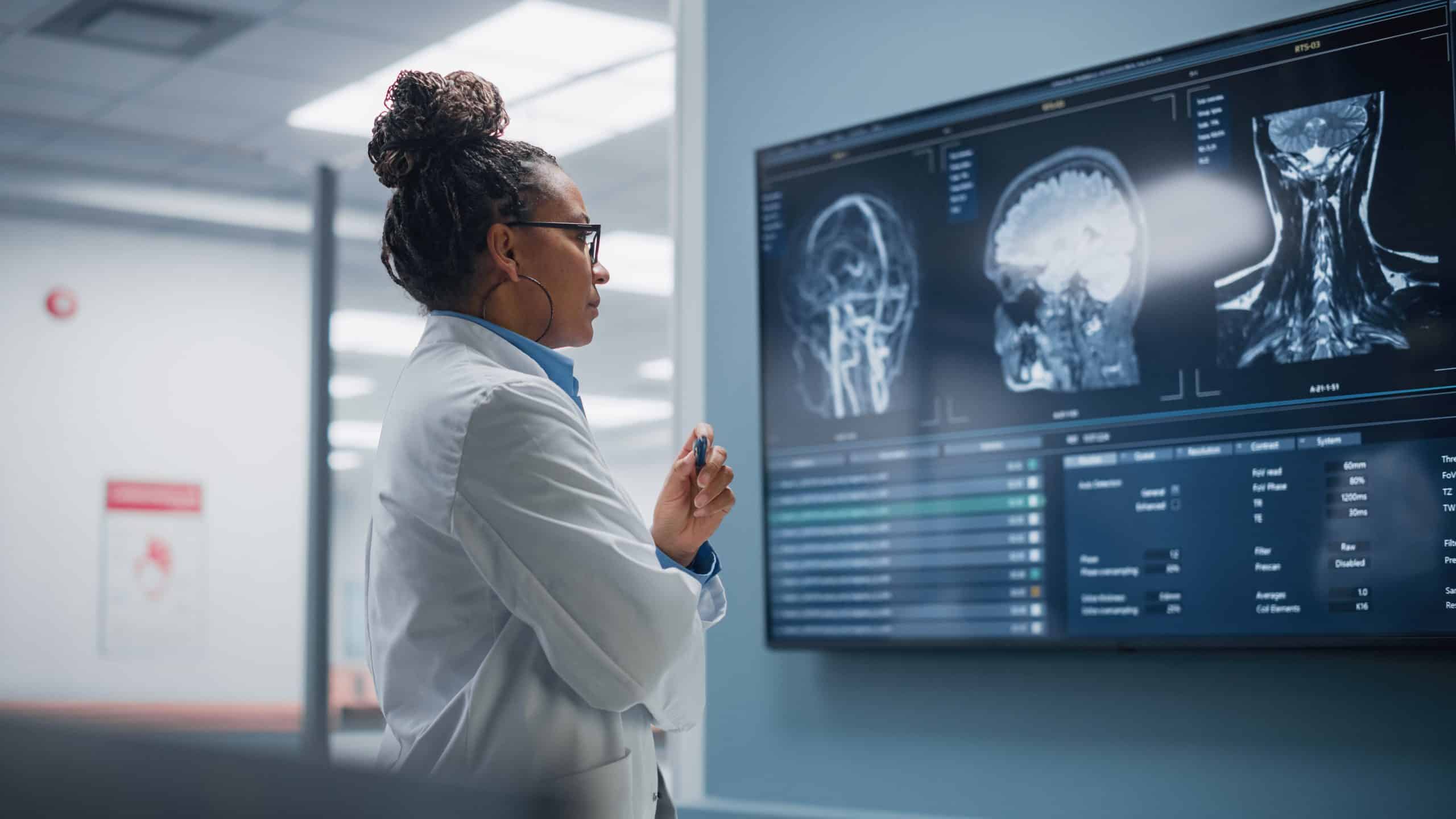
The National Cancer Institute, NIAID and the broader NIH intramural program are among the world's largest funders and practitioners of biomedical AI, generating training datasets, evaluation frameworks and foundational models that the entire clinical AI field relies upon. What NIH prioritizes in biomedical AI becomes what the research community works on globally.

FORT MEADE CORRIDOR
Intelligence & Cybersecurity AI
NSA, Cyber Command and the Fort Meade contractor ecosystem build AI for signals intelligence, network defence and threat hunting. Tenable and a cluster of commercial cybersecurity spinouts have taken this capability to commercial markets, creating a pipeline from classified AI expertise to enterprise cybersecurity products.
ROCKVILLE BIOTECH
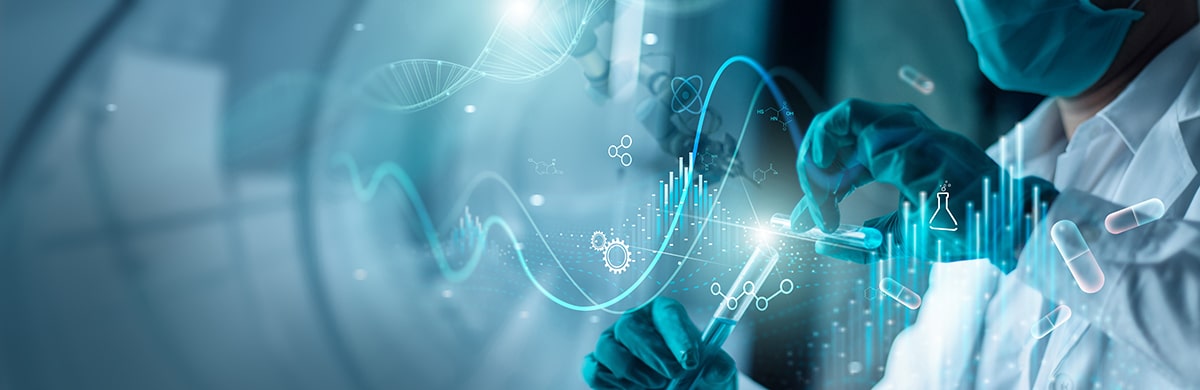
Biotech & Vaccine Development
MedImmune at AstraZeneca, Emergent BioSolutions and dozens of Rockville biotechs use AI for vaccine development, genomics and precision medicine. NIH's proximity creates a unique research-to-clinical pipeline that compresses the timeline from basic research to deployment-ready tools.

FDA SILVER SPRING
Regulatory Affairs & Drug Development AI
FDA's headquarters in Silver Spring positions Maryland at the intersection of AI deployment and the regulatory framework that governs it. Maryland companies navigate FDA AI guidance in real time, often with FDA personnel a short drive away: a structural advantage for health AI compliance expertise that no other state geography replicates.
Use Cases
BIOMEDICAL
NIH-funded AI for cancer genomics and rare disease diagnosis
NCI and NIH run AI programs for genomic variant interpretation and clinical trial matching that set the research standard for biomedical AI globally. Bronson.AI helps life sciences and research organizations build the data infrastructure and governance for AI-assisted research programs, including the data sharing agreements and audit frameworks that NIH-funded work requires.
CYBERSECURITY
AI threat detection for commercial and government networks from Fort Meade
Maryland cybersecurity firms use AI developed for federal intelligence clients in commercial threat detection products that serve enterprises across every sector. Bronson.AI applies advanced analytics for cybersecurity and risk management clients in regulated environments, including the evidence documentation that federal procurement and private sector due diligence require.
REGULATORY AFFAIRS
FDA-compliant AI validation for medical devices and software
Maryland's proximity to FDA makes it a centre for FDA-compliant AI system validation, with companies building the software-as-medical-device documentation that clearance requires. Bronson.AI helps medical device and software companies build the documentation and governance processes required for FDA clearance, starting with the architecture decisions that make validation possible.
Your team is unique. Our experience is broad.
From one industry to the next, we’ve helped organizations like yours communicate with clarity and confidence.

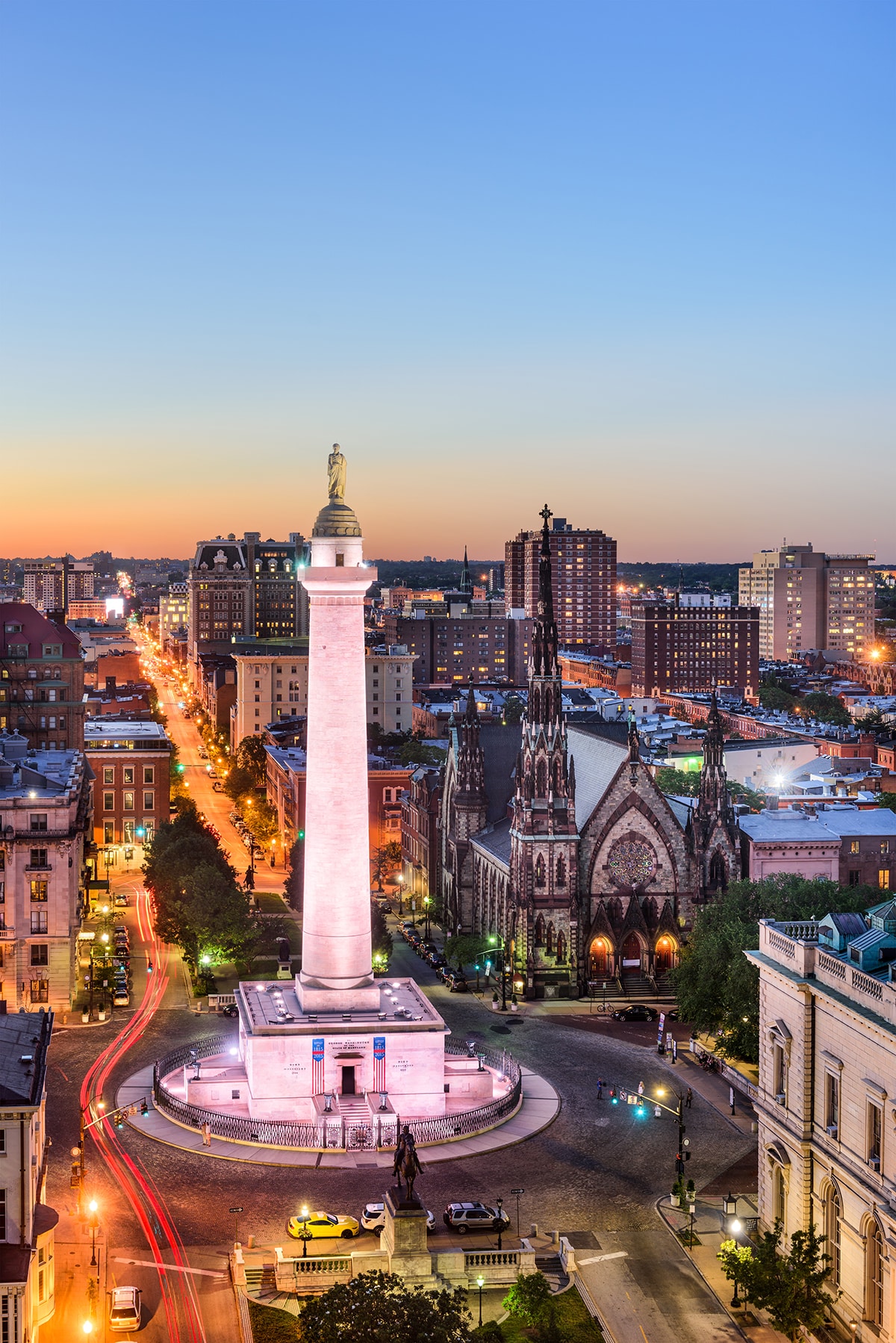
"Maryland has the NIH, the NSA and the FDA in the same state. The AI being built here is the most consequential nobody outside the field has heard of."
Maryland's AI landscape is defined by its concentration of federal health research and defence intelligence institutions.
The National Institutes of Health in Bethesda is the world's largest biomedical research funder, and its AI programs generate training data, evaluation standards and research outputs that the entire global clinical AI field relies upon. Johns Hopkins University and its affiliated hospitals combine with NIH to create one of the most significant health AI environments anywhere. The intelligence and cybersecurity cluster at Fort Meade represents the other defining Maryland AI identity. NSA, Cyber Command and the contractors who support them have built AI capabilities in signals intelligence, threat hunting and network defence that are classified in detail but are known to be technically sophisticated. Companies like Tenable and DataTribe portfolio firms have begun commercializing capabilities developed in the federal context, creating a pathway from classified AI capability to commercial cybersecurity products. Maryland's most distinctive structural advantage is having the FDA headquartered in Silver Spring. Maryland companies navigating clinical AI deployment can discuss validation questions with FDA personnel in a way that companies in California or Massachusetts cannot. That proximity does not reduce the regulatory burden, but it does make the path through it more legible, which is a genuine competitive advantage for Maryland's life sciences AI cluster. The NIH's Bridge2AI initiative is building the training datasets and evaluation infrastructure that clinical AI research globally depends on. When NIH decides what data to collect, how to annotate it and what benchmarks to establish for clinical AI performance, those decisions shape the research agenda for the entire field. Maryland is where those decisions are made, which gives the state an outsized influence on what clinical AI looks like five years from now. Johns Hopkins's position at the intersection of NIH, clinical medicine and AI research creates research-to-deployment pathways that are unusually direct. The same institution that conducts foundational AI research also operates clinical systems in which that research can be validated and deployed, creating a translation environment that few academic medical centres can replicate. The clinical AI work coming out of Hopkins is consequently both more rigorous and more deployment-ready than research produced in institutions further from clinical reality.
See Results
4x ROI
payback with AI is guaranteed
90 DAYS
to a funded, board-ready AI roadmap
18 MONTHS
from pilots to
AI-centric enterprise

Get started today!
Do you have a data or AI problem?
Bronson.AI works with organizations across Maryland on biomedical research data infrastructure, FDA-compliant AI validation, cybersecurity analytics and federal AI governance. The state's concentration of federal health and intelligence institutions creates AI requirements that are uniquely demanding, and our practice here is built around those specific requirements. For biomedical research clients at NIH and its grantee network, we build the data infrastructure and governance frameworks that AI-intensive research requires: data sharing agreements, annotation pipelines, model evaluation frameworks and the audit documentation that federal research accountability demands. For clinical AI and medical device clients navigating FDA requirements, we design the validation documentation, performance monitoring and post-market surveillance infrastructure from the start of the development process, not as a retrofit before submission. Starting with FDA requirements as design constraints rather than compliance obligations makes both the science and the regulatory path better. Maryland is where biomedical AI, intelligence AI and health regulatory AI intersect in ways that are unique in the country. If you are building in any of those domains, Bronson.AI has the expertise to help.
AI, Actually: Straight answers from our experts
Hear directly from our leadership team as they break down the critical challenges, strategy, and future of enterprise AI adoption.