Maine
Maine, Right Now

Ocean economy, rural healthcare, and America's small-state AI governance laboratory
2nd
US state for aquaculture production and marine AI adoption
Jackson Lab
World-leading genetics institution running AI-intensive genomics in Bar Harbor
65%
Of Maine municipalities classified as rural: a connectivity challenge and AI test
United States
Bronson.AI Knows Maine
Maine has approximately 1.4 million residents, making it the most sparsely populated state east of the Mississippi River. Its economy is built on tourism, fishing and aquaculture, forestry and paper, healthcare and a small but growing technology sector concentrated in Portland. The state's geography, vast forests, a 3,400-mile rocky coastline and a northern border with Canada that is largely unpopulated, creates infrastructure challenges that shape how technology lands here in ways that are not relevant in more densely populated states. The Gulf of Maine is warming faster than 99 percent of the world's oceans, creating both urgency and data richness for marine AI applications. The Gulf of Maine Research Institute runs AI programs for fisheries stock assessment and climate change impact modelling that have national significance. The Jackson Laboratory in Bar Harbor produces computational biology AI that is foundational infrastructure for the global genetics research community. Maine has genuine world-class AI research; it is simply concentrated in domains that are rarely covered in technology press. Bronson.AI's practice in Maine spans marine economy analytics, genomics data infrastructure for the Jackson Lab ecosystem, rural healthcare AI and the forestry and renewable energy data systems that the state's natural resource economy requires. Maine is smaller than most Bronson.AI markets but more distinctive, and the AI problems being solved here, in maritime surveillance, fisheries management and remote healthcare, have global applications.

The Landscape
Industries and the rules they work under

MAINE COAST
Marine Economy & Aquaculture
Maine's salmon and mussel aquaculture farms are adopting AI for water quality monitoring, feed optimization and disease prediction. The lobster fishery is beginning to use AI for stock assessment and supply chain traceability. Gulf of Maine Research Institute leads ocean data science at national significance, with the warming Gulf creating urgency that most other ocean monitoring programs do not face.

JACKSON LABORATORY
Genomics & Computational Biology
The Jackson Laboratory in Bar Harbor is one of the world's most important genetics research institutions, producing mouse models used globally. Its computational biology work is increasingly AI-intensive, particularly in cancer genomics, neuroscience and ageing research, making Bar Harbor a genuinely world-class AI research site.

MAINE MEDICAL CORRIDOR
Healthcare & Rural Telemedicine
Maine Medical Center, Northern Light Health and MaineHealth deploy AI for chronic disease management and rural telemedicine. Maine's dispersed, ageing population creates compelling use cases for remote monitoring and AI-assisted triage that serve communities hours from specialist care and cannot be served any other way.
MAINE FOREST LANDS
Forestry, Paper & Renewable Energy
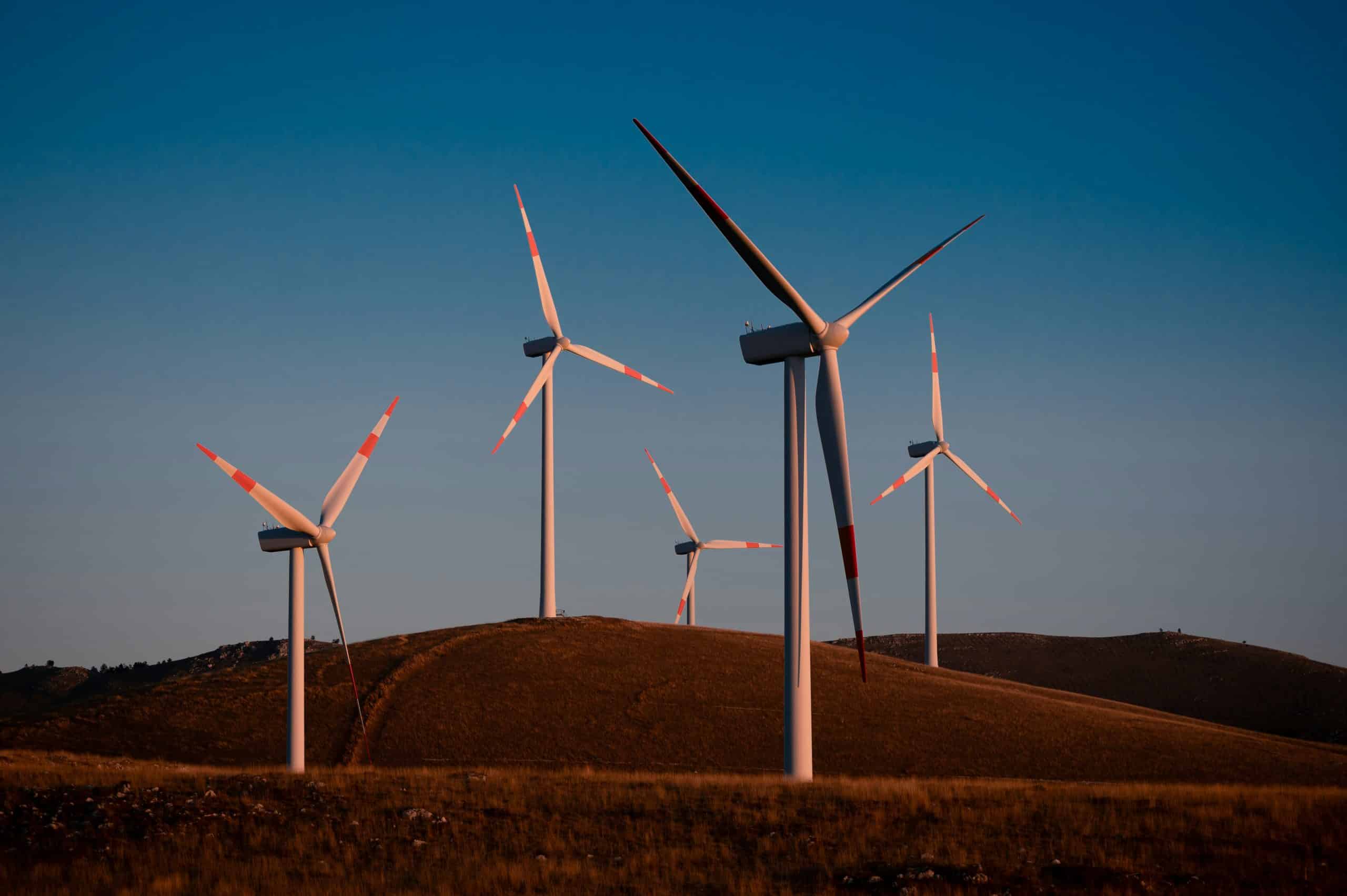
Maine's forest products industry uses AI for harvest planning, equipment maintenance and carbon inventory. Offshore wind development in the Gulf of Maine is driving investment in marine environmental monitoring AI, making Maine one of the first states to face the data infrastructure challenges of floating offshore wind at commercial scale.
Use Cases
MARINE AI
Aquaculture monitoring and lobster supply chain AI on the Maine coast
Maine aquaculture operations use AI for water quality and disease prediction across farms where early warning of disease conditions can prevent losses that would end the operation. Bronson.AI builds analytics and IoT data platforms for marine economy, aquaculture and environmental monitoring clients, including the edge computing infrastructure that works at sites beyond reliable network coverage.
HEALTHCARE
Rural telemedicine AI for Maine's dispersed, ageing population
MaineHealth and Northern Light use AI-assisted telehealth for chronic disease management in communities hours from hospitals, where the alternative to working telehealth AI is no specialist care at all. Bronson.AI helps healthcare organizations build remote patient monitoring infrastructure that performs reliably in low-bandwidth environments with elderly patient populations.
GENOMICS
Computational AI for genetics research at Jackson Lab
Jackson Laboratory uses AI for genomic variant analysis and mouse phenotype prediction in research programs that are foundational infrastructure for the global genetics community. Bronson.AI helps research organizations build the data infrastructure for AI-intensive computational biology programs, including the data management and sharing frameworks that collaborative research requires.
Your team is unique. Our experience is broad.
From one industry to the next, we’ve helped organizations like yours communicate with clarity and confidence.


"Maine has 3,400 miles of coastline, the world's best genetics lab and the fastest-warming ocean on Earth. The AI problems it is solving matter everywhere."
Maine has approximately 1.4 million residents, making it the most sparsely populated state east of the Mississippi River.
Its economy is built on tourism, fishing and aquaculture, forestry and paper, healthcare and a small but growing technology sector concentrated in Portland. The state's geography creates infrastructure challenges that shape how technology lands here in ways that are not relevant in more densely populated states. The Gulf of Maine is warming faster than 99 percent of the world's oceans, creating both urgency and data richness for marine AI applications. The Gulf of Maine Research Institute runs AI programs for fisheries stock assessment and climate change impact modelling that have national significance. The Jackson Laboratory in Bar Harbor produces computational biology AI that is foundational infrastructure for the global genetics research community. Maine's most interesting role in the national AI landscape may not be as a major AI deployer but as a governance laboratory. The state's small size, strong civil society, high educational attainment and history of progressive policy experimentation create conditions where AI governance proposals can be developed and implemented with community engagement that is impossible in larger states. The broadband infrastructure gap is the most binding constraint on Maine's AI adoption. Until reliable connectivity reaches rural fishing villages, remote farming communities and the small towns of northern Maine, AI applications that require real-time data transmission, whether for telemedicine, precision aquaculture or smart grid management, are theoretical rather than operational. Federal broadband investment is addressing this gap, and as it closes, Maine's AI adoption rate will accelerate rapidly, because the demand is real and the use cases are compelling. Offshore wind development in the Gulf of Maine is creating new AI infrastructure requirements that no existing industry has solved. Floating offshore wind platforms operate in open ocean conditions that are more demanding than the nearshore or onshore wind environments where most wind AI has been developed. Maine is at the frontier of floating offshore wind globally, which means the data infrastructure challenges being worked through here will shape how the offshore wind industry deploys AI worldwide.
See Results
4x ROI
payback with AI is guaranteed
90 DAYS
to a funded, board-ready AI roadmap
18 MONTHS
from pilots to
AI-centric enterprise

Get started today!
Do you have a data or AI problem?
Bronson.AI works with organizations across Maine on marine economy analytics, genomics data infrastructure, rural healthcare AI and forestry and renewable energy data systems. Maine is smaller than most Bronson.AI markets but more distinctive, and the problems being solved here have implications that extend well beyond the state's borders. For marine economy and aquaculture clients, we build the IoT data platforms and analytics systems that make precision aquaculture actionable at the farm level, including the edge computing and satellite connectivity infrastructure that allows AI to function in locations beyond reliable network coverage. For healthcare clients serving Maine's dispersed population, we build the remote patient monitoring and telehealth analytics infrastructure that makes AI-assisted care viable in communities that cannot support traditional healthcare infrastructure. The connectivity constraints are real, and the systems we build are designed for them. Maine is solving AI problems that the rest of the country will face eventually: in ocean warming, in rural healthcare access, in remote infrastructure management. If you are part of that work, Bronson.AI is here to help.
AI, Actually: Straight answers from our experts
Hear directly from our leadership team as they break down the critical challenges, strategy, and future of enterprise AI adoption.