
Director | Transportation Strategy
Director of Transportation Strategy
"I have to commit to a network redesign before I can model what it will actually do."
Quick Facts
Role
Director | Transportation Strategy
Level
Director
Dept
Transportation Strategy
Industry
Transportation
Env
Cloud TMS + planning
Tools
Oracle OTM, Excel, Tableau
Sound familiar?
Capacity planning relies heavily on historical volumes that do not capture current shifts in demand, service expectations, and network constraints
Carrier performance and cost data are fragmented across systems and strategic sourcing decisions rest on incomplete comparisons
The team cannot model the cost, service, capacity, and resilience impact of a network redesign before committing to it
A coherent strategic view of network performance cannot be built from the disconnected operational reports that are available
Emissions data are incomplete and inconsistent across carriers and modes, making customer, regulatory, and decarbonisation reporting difficult
AI-driven network optimisation is in every strategy conversation but fragmented carrier and cost data cannot support it
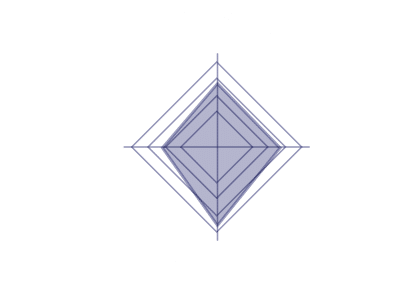
How AI-ready is your organization?
Complete the 10-minute assessment.
Pinpoint operational gaps, benchmark your maturity across key pillars, and chart a clear path to scalable AI success.
Pillars of Success
You are not alone
8,000+
data points generated per day by every commercial vehicle, from GPS to engine diagnostics (Carriyo, 2025).
10-15%
fuel consumption reduction delivered by route optimisation (Carriyo, 2025).
$300-400M
in annual savings generated by UPS's ORION system, which analyses 200,000+ routing options across 55,000 routes (Carriyo, 2025).
72%
of logistics providers now use advanced visibility platforms to track assets in real time (Gartner, 2024 Logistics Insight Report).
Join those who are leveraging data to move from financial stewardship to strategic business leadership.

How is AI raising the stakes

AI is raising the bar for what strategy functions are expected to deliver.
Board-level expectations now include real-time network scenario modelling, predictive demand mapping, and carrier portfolio optimisation grounded in data rather than relationship. Strategy teams that can demonstrate this analytical capability are shaping network decisions; those that cannot are being bypassed by consultants who can. The window to build in-house analytical strategy capability is shortening.
The carrier market is also demanding more sophisticated data capability.
Negotiating effectively with carriers, qualifying new providers, and making defensible consolidation decisions all require consistent, comparable performance and cost data that most transport strategy functions do not have. The organisations that have built it are negotiating from strength; those working from fragmented data are negotiating blind, and the cost of that disadvantage compounds across every major carrier contract.
Transport strategy functions are being asked to plan networks that are changing faster than traditional modelling methods can track.
Electrification of freight, e-commerce demand shifts, nearshoring, and new cross-border regulations are all reshaping where volume flows and what capacity is needed - and the strategy teams still working from annual planning cycles and historical traffic data are perpetually behind the curve. The gap between what the network is designed for and what it actually needs to serve is widening.
Director | Transportation Strategy
How Bronson can help

Cloud and Application Migration
Bronson.AI helps modernise the underlying technology infrastructure, migrating legacy systems to cloud platforms that integrate cleanly, scale with the organisation, and support the analytics and AI capabilities the function requires.
- Cloud migration strategy assessing current systems and sequencing the transition to minimise operational disruption.
- Application rationalisation identifying which systems can be consolidated onto modern platforms.
- Data migration and validation programme ensuring historical data is preserved and accessible in the new environment.

Dashboards and Data Visualisation
Bronson.AI designs and builds dashboards that give real-time visibility into the metrics that matter, in a format that supports decisions rather than just reporting activity. We replace manual compilation with a live, governed view.
- Executive dashboard covering key performance indicators in real time with drill-down capability.
- Self-serve reporting views that allow non-specialist stakeholders to access current data without relying on analysts.
- Trend and exception analytics that surface what needs attention rather than displaying everything equally.

Data Strategy and Governance
Bronson.AI builds the data architecture, ownership model, and governance framework that connects operational data into a single, governed layer, so that decisions are made from one version of the truth rather than competing reports.
- Data standards framework covering metric definitions, KPI structures, and cross-functional data taxonomy.
- Data ownership and stewardship model assigning accountability for each data domain.
- AI governance policy ensuring automated decisions are auditable, explainable, and compliant.
Unlock your potential
Unlock the Power of Data in Transport Strategy
Transport strategy is only as good as the data it rests on. A network redesign built on incomplete carrier data, a sourcing decision made without comparable cost information, or a capacity plan based on patterns that no longer hold - these are the expensive consequences of strategy functions that lack the analytical foundation their decisions demand. When the data is connected and the analytics are sound, strategy shifts from informed opinion to evidence-based planning.
Overcome Data Challenges Effortlessly
The transport strategy director who has built this foundation can model network options before committing, negotiate carrier contracts from benchmarked data, and present the board with a network view that is current and defensible. The one who has not is perpetually assembling yesterday's numbers to justify today's decisions, and competing with consultants and carriers who have better data than they do.
The Promise of Data, Analytics, and AI Advancements
Bronson.AI builds the strategic intelligence layer that transport strategy functions need - the connected carrier, demand, and network data that makes real modelling possible, the governance that keeps it reliable, and the analytical capability that turns the data into decisions. The result is a strategy function that shapes the network rather than reports on it.
Realize the Value of Advanced Data Solutions
Our services are designed to guide Directors of Transportation Strategy through:
- Connected Strategy Platform: Migration to infrastructure that integrates carrier, demand, and network data rather than holding it in isolated systems.
- Network Modelling Dashboards: Scenario visibility that lets network and sourcing options be modelled before they are committed.
- Governed Benchmark Data: Carrier and lane data standards that make contract negotiation and network design evidence-based.
See Results
4x ROI
payback with AI is guaranteed
90 DAYS
to a funded, board-ready AI roadmap
18 MONTHS
from pilots to
AI-centric enterprise
Get started today!
Frequently asked questions
Turn the demand and network data into forward-looking insight, because matching capacity to where demand is growing depends on forecasting demand spatially and comparing it to network capacity, and that is an analytical capability built on the relevant data. The work is analysing where demand is growing and forecasting how it will develop, then comparing that to the network's capacity by area, so you can see where the network is well-matched to demand, where it is over-provisioned, and where demand is outgrowing capacity.
The reason this needs analysis is that demand shifts geographically in ways that are not obvious without the data, and a network designed for yesterday's demand pattern gradually falls out of alignment as demand grows in some areas and declines in others, so capacity ends up mismatched to demand in ways that intuition does not reveal. The analysis that forecasts demand spatially and compares it to capacity is what shows where the network needs to grow, shrink, or shift to match where demand is actually heading.
The payoff is network capacity that matches where demand is going rather than where it was, which improves both service and efficiency. When you can model demand growth against capacity, you can invest in capacity where demand is growing, avoid over-provisioning where it is declining, and position the network for the future demand pattern rather than the historical one, which means better service where it is needed and less wasted capacity where it is not. The modelling also supports the network redesign decisions that depend on understanding the demand-capacity relationship. Building the analytics to model network capacity against demand growth is what turns network strategy from intuition about where growth is occurring into a forecast-driven matching of capacity to demand, which is what lets a transport strategy function position the network for where demand is actually heading rather than for where it has been.
Establish secure, well governed data management for the carrier data, because sound carrier strategy depends on consistent, connected performance and cost data, and the fragmentation across carriers and systems is precisely what makes consistent comparison impossible. The work is connecting the carrier performance and cost data into a common foundation, aligning it so carriers can be compared on a consistent basis, and governing it so the comparison stays reliable. The effort is in the alignment, because each carrier and system records performance and cost differently, and making them genuinely comparable is what turns fragmented carrier data into a basis for strategic decisions.
The reason fragmentation is so limiting for carrier strategy is that the key decisions, which carriers to consolidate, which to grow or reduce, which deliver genuine value, all require comparing carriers consistently on performance and cost, and fragmented data makes that comparison unreliable, so the decisions rest on partial or inconsistent information. The strategy function cannot make sound carrier decisions on data that does not let it compare carriers fairly.
The payoff is the ability to make carrier decisions on consistent, comparable performance and cost data, which improves the sourcing strategy. With the carrier data connected and governed, you can compare carriers fairly, identify which deliver value and which do not, and make consolidation and allocation decisions on a sound basis rather than on fragmented information. The connected foundation also supports the network and cost analysis that strategic decisions depend on. Fixing the fragmentation through a governed foundation is what turns carrier data from inconsistent fragments across carriers and systems into a basis for sound carrier strategy, which is what lets a transport strategy function make carrier decisions on genuine comparison rather than on the partial and inconsistent information that fragmentation leaves it with.
Turn the network data into forward-looking insight on the redesign options, because modelling a redesign before committing depends on analysing the cost and service consequences of the options, and that is an analytical capability that lets you compare options on their projected outcomes rather than committing and finding out. The work is building the capability to model network configurations, applying proposed redesigns to the data and calculating their effect on cost, service, and capacity, so you can compare options and choose on the basis of their modelled consequences before committing to any.
The reason modelling before committing matters so much is that network redesign is expensive, disruptive, and hard to reverse, so committing to a redesign and discovering its consequences afterwards is a costly way to learn, whereas modelling the options first lets you find the problems and trade-offs while they are still on paper. The analysis that projects the consequences of each option is what turns network redesign from a leap into a choice between modelled outcomes.
The payoff is network redesign decisions made on modelled consequences rather than on commitment and hope, which leads to better redesigns and fewer costly surprises. When you can model the options before committing, you can compare their cost and service outcomes, identify the trade-offs and risks, and choose the redesign that best balances the objectives, rather than committing to a design and discovering its problems in operation. The modelling also makes the decision defensible, because it rests on projected outcomes rather than judgement alone. Building the capability to model a network redesign before committing is what turns network strategy from consequential decisions made on judgement and discovered in operation into decisions made on modelled outcomes, which is what lets a transport strategy function choose redesigns wisely rather than commit to them and learn their consequences the expensive way.
Turn the network data into a clear, comprehensible strategic view, because a strategic view of network performance is what lets you steer the network rather than just run it, and that requires the data connected and presented at the level strategy needs, the patterns, the trends, the comparisons, rather than the operational detail. The work is connecting the network performance data and presenting it strategically, showing performance across the network in a way that supports decisions about where to invest, grow, consolidate, or change, with the ability to drill into detail when a strategic question needs it.
The design that makes a strategic view useful is pitching it at the strategic level rather than aggregating operational reporting, because strategy needs to see patterns, trends, and comparisons across the network rather than the operational detail that operational management needs. A strategic view built around the strategic decisions, where the network is well or poorly positioned, where the trends are heading, how parts compare, is what supports strategy, while one that simply rolls up operational metrics buries the strategic signal in detail.
The payoff is the ability to make network strategy on a clear view of network performance rather than on operational reports or intuition. With a strategic view, you can see how the network is performing at the level strategy operates, identify where it needs to change, and make investment and configuration decisions on a clear picture rather than on assembled fragments or impression. The strategic view also supports the demand modelling and redesign analysis that strategy depends on. Building the strategic view of network performance is what turns transport strategy from decisions made on operational reports or intuition into decisions made on a clear, strategically-pitched view of how the network is actually performing, which is what lets a strategy function steer the network deliberately rather than manage it reactively.