
Manager | Fleet Operations
Fleet Manager
"The vehicles send plenty of data and almost none of it is usable without days of cleaning."
Quick Facts
Role
Manager | Fleet Operations
Level
Manager
Dept
Fleet Operations
Industry
Transportation
Env
Cloud telematics + on-prem maintenance
Tools
Samsara, Geotab, Excel
Sound familiar?
Fuel use, vehicle condition, utilisation, driver behaviour, and maintenance status cannot be viewed together across the fleet
Telematics data are high-volume but inconsistent across vehicles and providers, requiring extensive cleaning before they support reliable analysis
Maintenance remains calendar-based rather than condition- and criticality-based, creating unnecessary service and missed developing failures
Compliance obligations and maintenance records are tracked manually and the risk of missed deadlines is a recurring operational concern
Vehicle failures are still managed reactively because condition signals are not converted into reliable maintenance priorities
Vendor AI claims cannot be evaluated confidently against the fleet's own routes, vehicles, failure history, and operating conditions
How AI-ready is your organization?
Complete the 10-minute assessment.
Pinpoint operational gaps, benchmark your maturity across key pillars, and chart a clear path to scalable AI success.
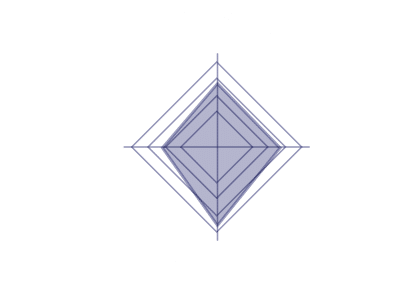
Pillars of Success
You are not alone
10-15%
fuel consumption reduction delivered by route optimisation (Carriyo, 2025).
$300-400M
in annual savings generated by UPS's ORION system, which analyses 200,000+ routing options across 55,000 routes (Carriyo, 2025).
72%
of logistics providers now use advanced visibility platforms to track assets in real time (Gartner, 2024 Logistics Insight Report).
$18.50B
transportation management system market value in 2025, projected to reach $37.04B by 2030 at a 14.9% CAGR (MarketsandMarkets).
Join those who are leveraging data to move from financial stewardship to strategic business leadership.

How is AI raising the stakes

The regulatory environment is adding pressure.
Driver hours compliance, emissions reporting, vehicle roadworthiness records, and safety audits all demand accurate, auditable data that manually maintained systems cannot reliably produce. Fleet managers who cannot produce clean compliance data on demand are exposed to regulatory risk and audit findings; those with automated tracking and documentation are audit-ready continuously rather than scrambling before each inspection.
Electric vehicle transition is making data capability a competitive necessity.
Managing mixed fleets of ICE and EV vehicles requires tracking charging behaviour, battery health, range data, and different maintenance schedules in the same view - something no spreadsheet-based approach handles. Fleet managers building the data foundation now are positioning for the transition; those who are not face a significantly harder rebuild as the fleet mix shifts.
Fleet management is being transformed by the volume and variety of telematics data that modern vehicles generate - but only for the fleet functions that have built the capability to use it.
Fleets with mature telematics analytics are predicting failures before they happen, reducing fuel costs through driver behaviour data, and running maintenance programmes that service vehicles when they actually need it. Those still managing by calendar schedule and spreadsheet are paying for both the reactive breakdowns and the unnecessary preventive work.
Manager | Fleet Operations
How Bronson can help

Modern Data Analytics
Bronson.AI builds the analytics infrastructure that gives real-time visibility into operational performance, connected across every relevant system. We move the function from lagging indicator reporting to forward-looking insight that enables proactive decisions at scale.
- Unified data layer integrating source systems into a single analytics environment.
- Leading indicator frameworks that surface risk and opportunity before they become problems.
- ROI measurement connecting improvement initiatives to business outcomes in real time.

AI and Agentic Automation
Bronson.AI implements the AI and automation capability that turns data into action, identifying inefficiencies, flagging anomalies, and triggering workflow responses without manual intervention. We help the function move from monitoring to orchestrating.
- Process automation across high-volume, rule-based workflows to reduce manual effort and error rates.
- Predictive anomaly detection that flags deviations before they escalate into failures or cost overruns.
- AI-powered forecasting and prioritisation that connects data signals to operational resource allocation.

Dashboards and Data Visualisation
Bronson.AI designs and builds dashboards that give real-time visibility into the metrics that matter, in a format that supports decisions rather than just reporting activity. We replace manual compilation with a live, governed view.
- Executive dashboard covering key performance indicators in real time with drill-down capability.
- Self-serve reporting views that allow non-specialist stakeholders to access current data without relying on analysts.
- Trend and exception analytics that surface what needs attention rather than displaying everything equally.
Unlock your potential
Unlock the Power of Data in Fleet Management
A well-run fleet is one where every vehicle is where it needs to be, running reliably, consuming fuel efficiently, and meeting every compliance obligation without a scramble. Achieving that is a data problem before it is a management problem - because the visibility to manage a fleet proactively depends on having the telematics, maintenance, and compliance data connected and usable, rather than scattered across systems and too messy to act on.
Overcome Data Challenges Effortlessly
The fleet manager with that connected view can see which vehicles are developing problems before they break down, which drivers are consuming excess fuel, and which maintenance obligations are coming due - all in one current picture. The fleet manager without it is managing by exception, discovering problems after they have caused disruption, and spending significant time on manual tracking that should be automatic.
The Promise of Data, Analytics, and AI Advancements
Bronson.AI builds the fleet data foundation that makes proactive management possible - structured telematics data, connected maintenance and compliance records, and the analytics that turn both into insight the fleet team can act on. The result is fewer unplanned breakdowns, lower fuel cost, and compliance that is always current rather than assembled under pressure.
Realize the Value of Advanced Data Solutions
Our services are designed to guide Fleet Managers through:
- Connected Fleet Analytics: Telematics, maintenance, fuel, and compliance data unified into one operational view.
- Predictive Maintenance Automation: Asset health monitoring that flags developing faults before a vehicle goes off the road.
- Live Fleet Dashboards: Utilisation, fuel efficiency, driver behaviour, and compliance status visible in real time.
See Results
4x ROI
payback with AI is guaranteed
90 DAYS
to a funded, board-ready AI roadmap
18 MONTHS
from pilots to
AI-centric enterprise
Get started today!
Frequently asked questions
Turn the telematics data into forward-looking insight, because predicting failure rests on analysing the signals the telematics data carries rather than servicing on a fixed schedule regardless of condition, and that analytical shift is what lets you intervene before a vehicle fails rather than after or unnecessarily early. The work is analysing the telematics data, engine parameters, usage patterns, fault indicators, connecting it to failure history, and building the analysis that flags developing failures, so maintenance is driven by actual vehicle condition rather than by a calendar that services vehicles whether they need it or not.
The reason this matters is that scheduled maintenance is inefficient in both directions, servicing vehicles that do not yet need it while missing failures that develop between scheduled services, so it costs more than necessary while still allowing breakdowns. Condition-based prediction from telematics addresses both, servicing vehicles when they actually need it and catching developing failures before they become breakdowns, which is more efficient and more reliable than the calendar.
The payoff is fewer breakdowns and more efficient maintenance, by servicing vehicles based on their actual condition rather than a schedule. When failure is predicted from telematics, you can intervene before a vehicle breaks down, avoiding the cost and disruption of roadside failures, while also avoiding the waste of servicing vehicles that do not yet need it. The telematics data most fleets already collect is often enough to start, which means the barrier is usually turning that data into prediction rather than acquiring new data. Predicting vehicle failure from telematics is what turns fleet maintenance from a calendar that is inefficient in both directions into condition-based intervention that services vehicles when they need it and catches failures before they happen, which both reduces breakdowns and makes maintenance spending more efficient, using data the fleet largely already generates.
Turn the scattered fleet data into one clear, comprehensible view, because a single picture of fuel and vehicle performance across the fleet is what lets you manage it actively rather than check sources one at a time, and that requires the data connected and presented together. The work is connecting the fuel and vehicle performance data from across the systems that hold it, aligning it so the fleet can be seen together, and presenting it so performance and its outliers are visible at a glance with the detail available when you need it.
The reason a connected view matters is that fleet performance management requires comparing vehicles and spotting the outliers, the vehicles consuming excess fuel, the ones with developing problems, the ones underperforming, and when the data is scattered across systems, those comparisons and outliers are hard to see, so problems go unnoticed and the fleet runs less efficiently than it could. A connected view makes the comparisons and outliers visible, which is what lets you manage performance actively.
The payoff is the ability to manage fleet performance from a connected view, spotting and addressing the outliers that drive cost. With fuel and vehicle performance connected, you can see which vehicles consume excess fuel, which have developing problems, and how the fleet compares, which lets you address the outliers, the fuel-guzzlers, the problem vehicles, rather than managing the fleet as an undifferentiated whole. The connected view also supports the failure prediction and efficiency analysis that depend on connected fleet data. Building the consolidated view of fuel and vehicle performance is what turns fleet management from checking scattered sources separately into managing the fleet from a connected picture, which is what lets a fleet manager spot and address the performance outliers that drive cost and that stay hidden when the data is scattered across separate systems.
Establish secure, well governed data management for the telematics data, because the value locked in telematics depends on the data being clean, structured, and usable, and the messiness is exactly what leaves it underused. The work is getting the telematics data onto a structured, governed footing, cleaning it, organising it, and making it usable for analysis, so the rich data that telematics captures can actually inform fleet management rather than sitting underused because it is too messy to work with.
The reason telematics data is so often underused is that it arrives in large volumes and messy form, and without the work to clean and structure it, it is too difficult to use, so fleets collect extensive telematics data and then make little use of it because turning it into insight is too hard. The messiness is the barrier between the data the telematics captures and the value it could deliver, and addressing it is what unlocks that value.
The payoff is telematics data that actually informs fleet management, rather than rich data that goes underused because it is too messy to work with. When the telematics data is clean, structured, and governed, it can drive the failure prediction, fuel efficiency analysis, and performance management that the data makes possible, turning a collected-but-underused resource into an active input to fleet management. Getting the telematics data onto a clean, structured foundation is what unlocks the value that telematics promises but that stays locked up when the data is too messy to use, which is the common situation of fleets that collect extensive telematics data and then benefit little from it because the work to make it usable was never done.
Automate the tracking to streamline the work and reduce the risk of missed maintenance and compliance, because manually tracking maintenance schedules and compliance obligations is exactly the kind of repetitive work that should be automated, and automation ensures things are tracked and prompted reliably rather than depending on manual recording that can miss them. The work is moving maintenance and compliance tracking to an automated system that holds the schedules and obligations, tracks status, and prompts action reliably, so maintenance happens when due and compliance obligations are met without depending on manual diligence.
The reason manual tracking is risky is that it depends on people remembering and recording, which inevitably leads to missed maintenance and compliance lapses, and in a fleet context a missed maintenance can mean a breakdown or a safety issue, while a missed compliance obligation can mean a violation with real consequences. Automation removes the dependence on manual diligence, ensuring the tracking happens reliably.
The payoff is maintenance and compliance tracked reliably rather than dependent on manual effort that can miss things, which reduces breakdowns, safety risks, and compliance violations. When tracking is automated, maintenance is prompted when due so it does not get missed, compliance obligations are tracked so they are met, and the fleet manager is freed from the manual tracking burden while the risk of missed maintenance and compliance lapses falls. Automating maintenance and compliance tracking is what turns it from a manual process that risks costly misses into a reliable system that ensures maintenance happens and compliance is met, which both reduces the risks that missed tracking creates and frees the fleet manager from a burdensome manual task to focus on managing the fleet rather than tracking its obligations by hand.